Why would I pay out-of-pocket for a roof if insurance might cover it?
Insurance pays for like-for-like replacement of what was damaged, typically standard architectural shingles equivalent to what was on your roof when it was hit. If your roof was original 1990s 3-tab and the storm damaged it, insurance pays for new 3-tab (or roughly equivalent architectural). If you want Class IV impact-resistant shingles, designer architectural, cedar shake restoration, or synthetic slate, anything that's an upgrade over what was there, you're paying the difference out of pocket either way. Some homeowners decide the upgrade is worth the difference. Others use insurance for like-for-like. We're set up for the upgrade conversation; if you want pure like-for-like insurance work, we're not the most efficient contractor for you and we'll say so.
Will you help me file an insurance claim?
We document scope and damage thoroughly for adjusters when our customers have a covered loss; that's normal contractor work. We do NOT file claims on the homeowner's behalf, do not sign assignment-of-benefits agreements, do not promise specific insurance outcomes, and absolutely do not waive deductibles (which is illegal under Illinois insurance fraud statutes). If your hail damage situation needs an adjuster visit, we can document what we see for the adjuster, but you stay the decision-maker, you file the claim, and you pay your deductible.
What's Class IV impact-resistant shingle and why does it matter for hail?
Class IV is the highest UL impact-resistance rating for asphalt shingles. The shingle is reinforced with polymer modifiers (Atlas StormMaster, GAF Armor Shield II, Owens Corning Duration Storm, CertainTeed Landmark Pro Impact-Resistant) that absorb hail impact without the granule fracture and substrate bruising that standard architectural shingles experience. Functionally: a Class IV roof that takes the same hail event as a standard architectural roof shows materially less damage and lasts meaningfully longer. Most Illinois homeowner insurance carriers offer a Class IV impact-resistance discount (typically 5-25% off the annual premium) that often offsets the upgrade cost over 5-8 years. If you're replacing a roof after a hail event, this is the moment to specify Class IV; both because the next storm is coming and because the discount pays for the upgrade over time.
How much does a premium out-of-pocket replacement cost in Chicagoland?
Standard Class IV architectural shingle replacement on a typical Chicagoland home falls in our published ranges: $15,000 to $40,000, or $40,000 to $70,000 for larger and more complex homes, with the upgrade over insurance like-for-like depending on roof size and material grade. Designer shingles, cedar shake, synthetic slate (DaVinci, Brava) and natural slate are quoted per project. Each tier includes proper copper or aluminum flashing (we'll recommend copper on premium specs), full ice-and-water shield, and manufacturer-extended warranty. Pricing depends on roof square footage, complexity, and material specification.
We had a storm-chaser knock our door. How do I tell if they're legitimate?
Five 60-second checks. (1) Illinois roofing license: ask for the number and verify it on the IDFPR website (idfpr.illinois.gov) before you sign anything. No valid Illinois license, no conversation. (2) Local address: a P.O. box or an out-of-state corporate address is a red flag. Legitimate Chicagoland contractors have local offices. (3) References within 5 miles: ask for 3-5 references with addresses in your specific town or neighborhood. Storm-chasers can't produce these. (4) Insurance-handling promises: anyone who promises to 'handle the insurance,' 'get you a free roof,' or 'waive your deductible' is offering insurance fraud, walk away. (5) Time pressure: if they need you to sign within 24-48 hours of the storm, they're working a chase. Legitimate contractors don't need urgency.
How fast can you assess our roof after a hail event?
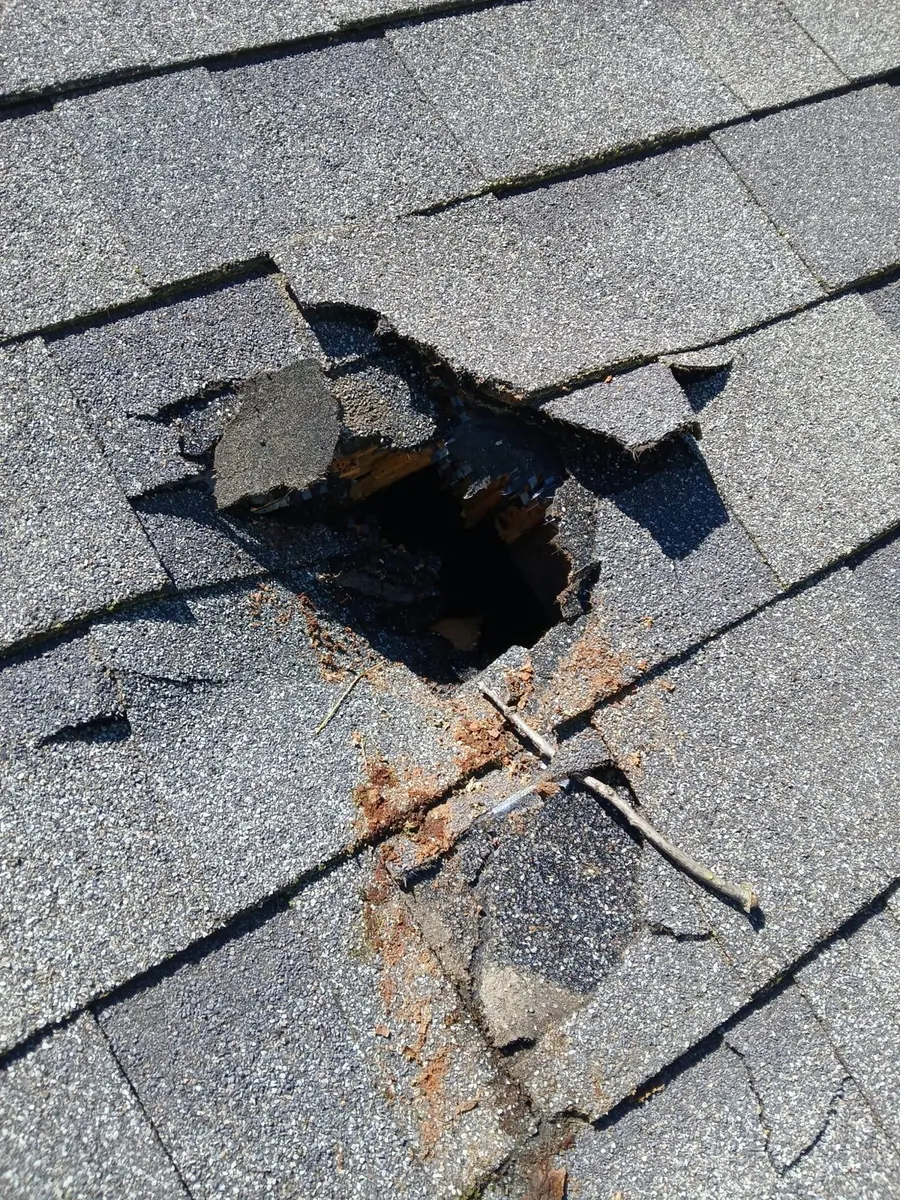
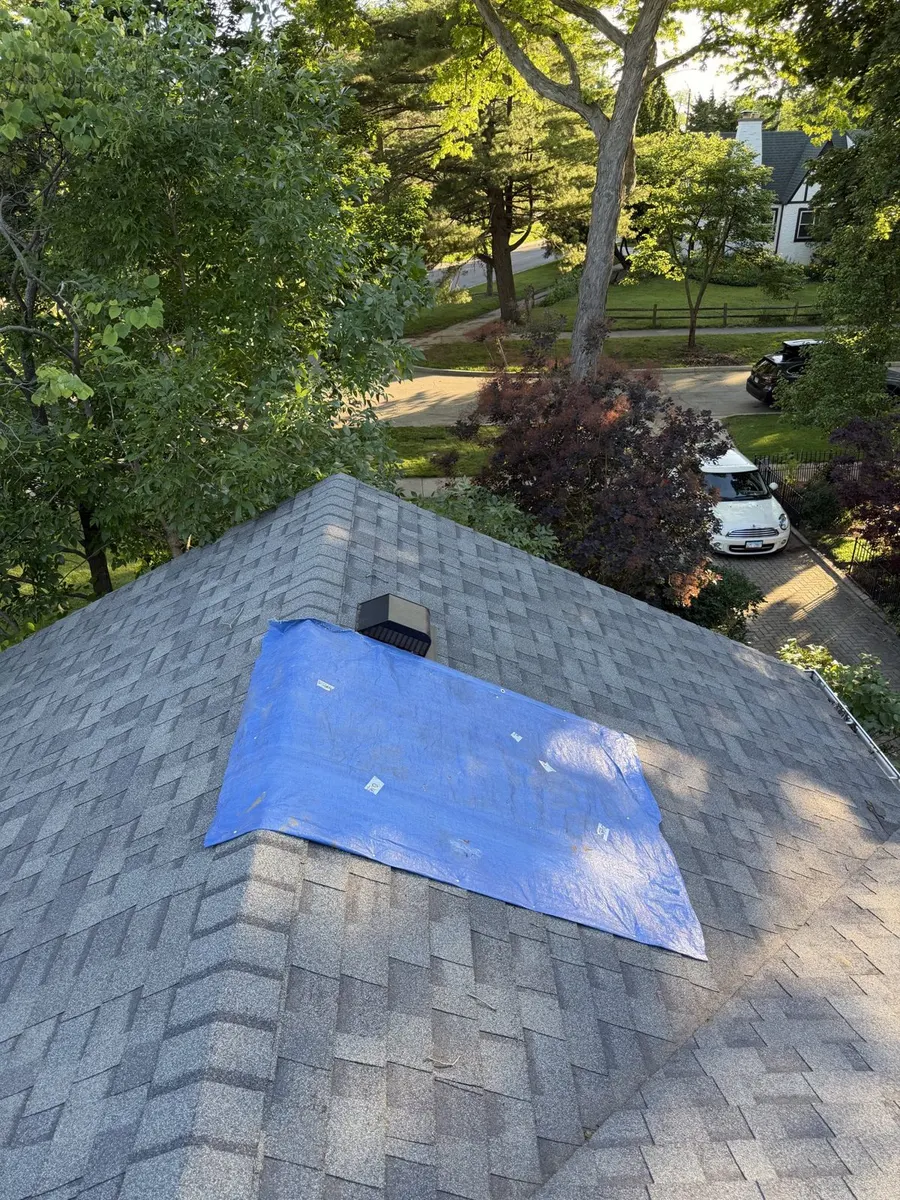
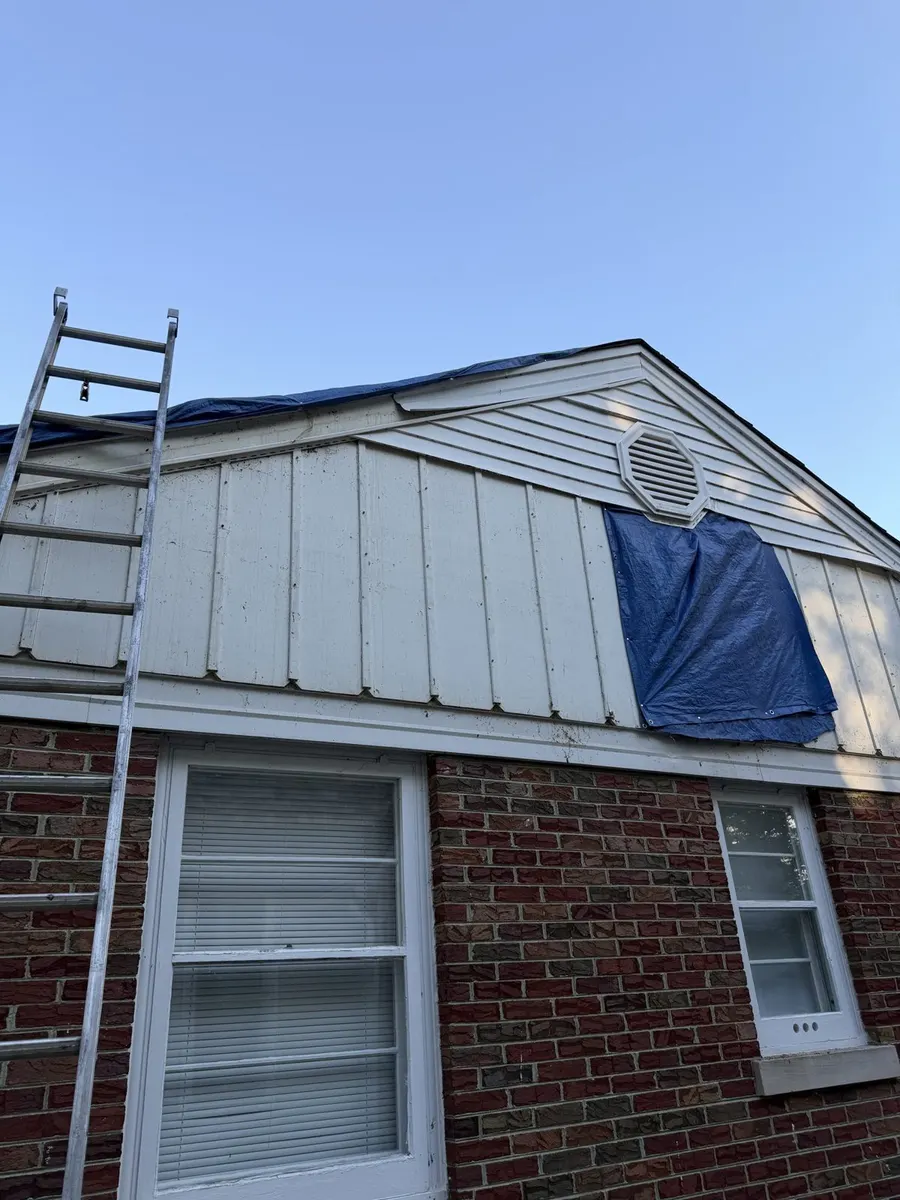
We aim to schedule hail damage assessments within 5-10 business days during the active May-September storm season. We document what we see with photos, write up a recommended scope, and give you the honest read: including whether what we see is meaningful enough to warrant a replacement or whether the roof has another few years of life. We do not pressure same-day signatures. If your home has an active leak from storm damage, we respond within 24-48 hours for emergency tarping while we schedule the full assessment.
Do you replace roofs damaged by wind and storms, not only hail?
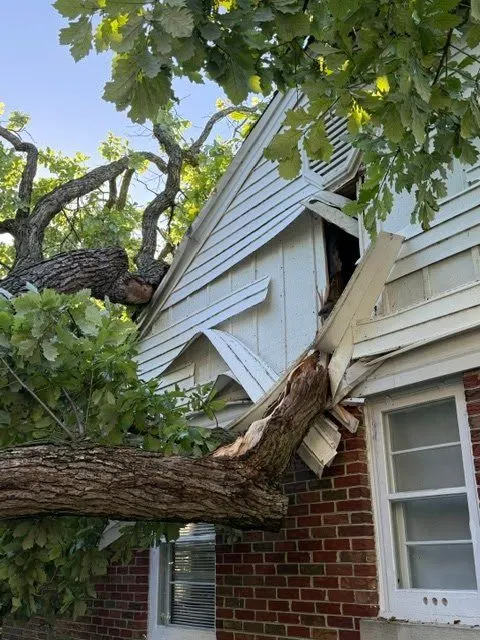
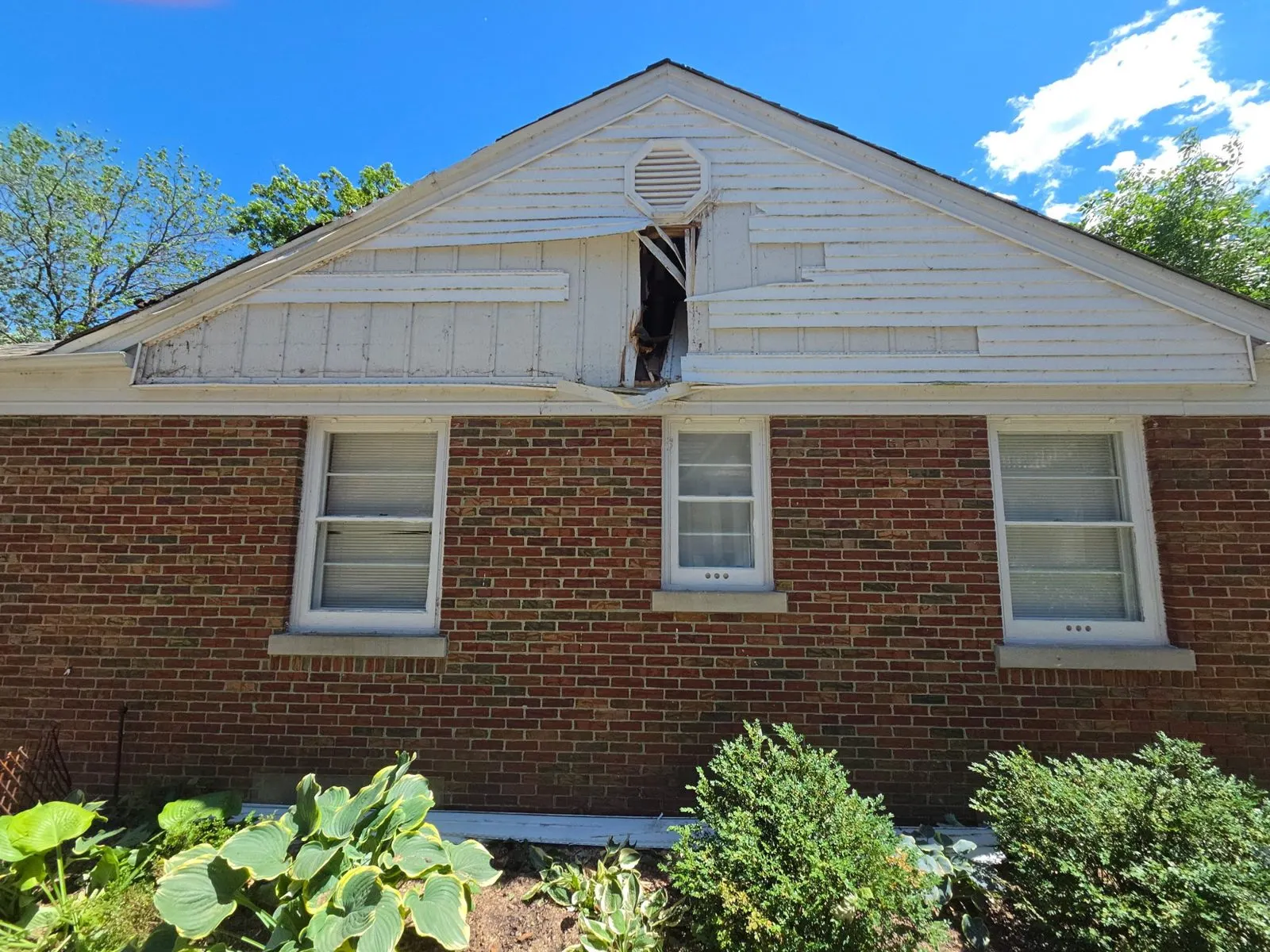
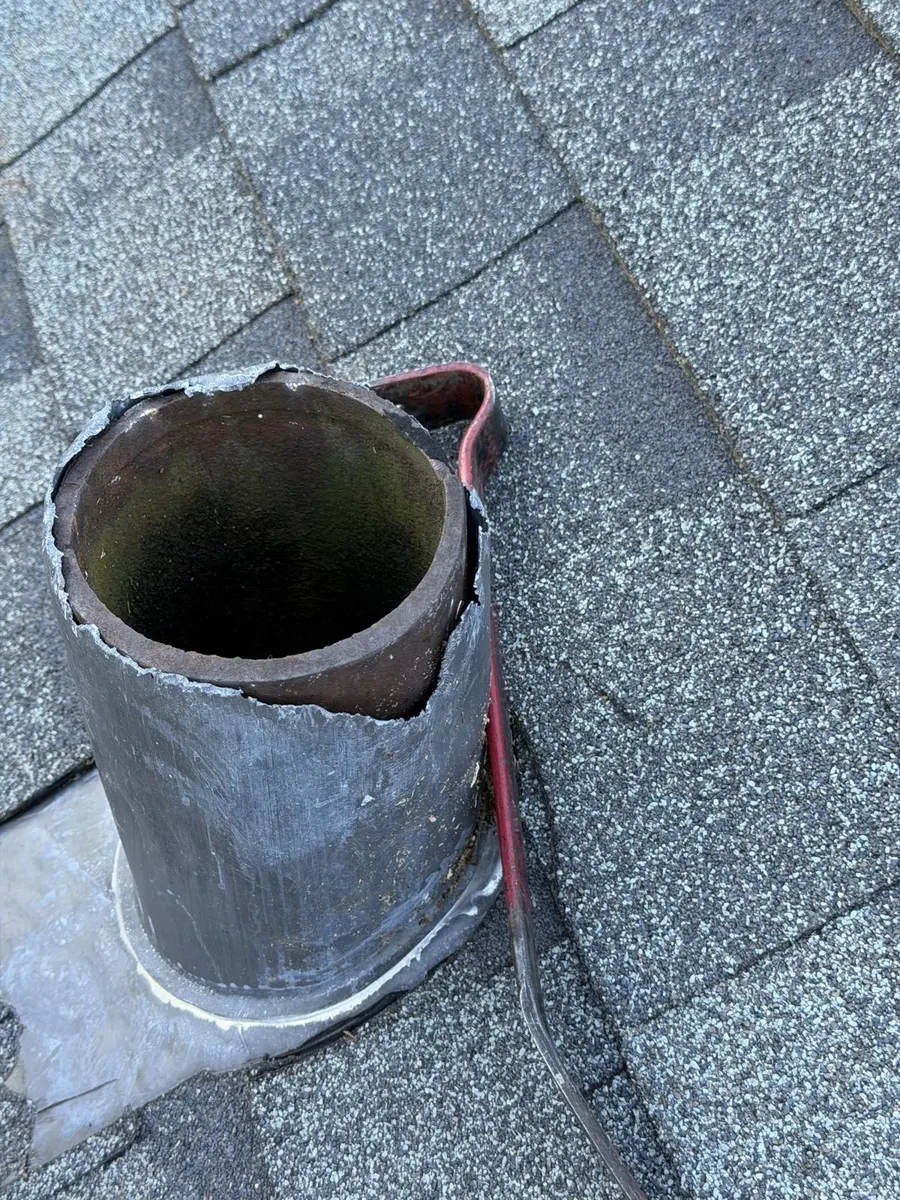
Yes. Wind lifts and creases shingles, tears off ridge caps, peels back flashing and blows off soffit and fascia, and falling limbs can open the roof outright. If the roof is open we tarp and secure it first. Then we document the damage with photos you can give your adjuster and tell you plainly whether it is a repair or a replacement: a handful of missing shingles is a repair, while creased shingles across whole slopes usually mean replacement, because a creased shingle has lost its seal and will keep failing. Repairs are covered on our roof repair page; replacements are quoted after an inspection.
Why doesn't your team go door-to-door after big storms?
Two reasons. First, the families who hire us are the families who looked us up; they found us through a referral, a Google search for a premium-materials specialist, or a past project on their block. We don't need to door-knock to fill our calendar. Second, door-knocking after storms is the storm-chaser playbook. Showing up that way associates us with operators who use high-pressure tactics, waive deductibles, and disappear before the warranty work is needed. We've built 30 years of business by NOT being one of those companies. We're not going to start now.